I was getting burned out, more and more distant from photography itself, despite working on photography-related things all week long.
When we decided to do a show of my nuclear weapons images at the National Museum of Nuclear Science and History, in Albuquerque, the original conception was to display maybe 40 images. It ended up being 96.
During the planning of the show, my intention was to have a lab print the images (something I rarely do) just because it was so much work. But after talking with printers, I found them willing to do exactly what I wanted, very skillfully, but they were reluctant to print the images how they thought the images should be printed. But if my job then is to Photoshop the images to the point where they are ready to print—that time when you develop the look of the print during printing is where lots of the creative work takes place—and to hand over that finished file to print, why not just print them myself? And so I did that, too.
And then, looking at the captions, I wanted more than just an image title. The general guideline at museums is to aim at an eighth-grade reading level—I’m not kidding—so I wrote one-sentence captions that tried to capture what was important about the weapon pictured (since the name of the weapon and location were already in the print’s title). And then, for viewers who would want more, I wrote in-depth captions, each a paragraph or two long.
The show took over my life for a while.
When I was younger, when I was under forty, I thought that when I got older, the thing, whatever it is, that drives my photography would fade away. I would stop working as much, the flame would go out. But the opposite seems to have happened. My ideas, as far as I can tell, are getting better, and the ideas are coming one after the other with no end in sight. I’m always behind on work, always starting something new, one project’s energy feeding into the next, the candle burning strong and bright.
Except when I don’t work. Somehow, when I stop working—and by working I mean working on creating photographs, not all the other stuff—I can sense the energy level dropping. And when I worked on the American Nukes exhibit, I spent an awful lot of time on that other stuff.
In the back of my mind, I started to worry, I know it is strange to say, that the big photography exhibit was snuffing out my photography, and that once gone, once the flame went out, there was no particular guarantee that it would relight.
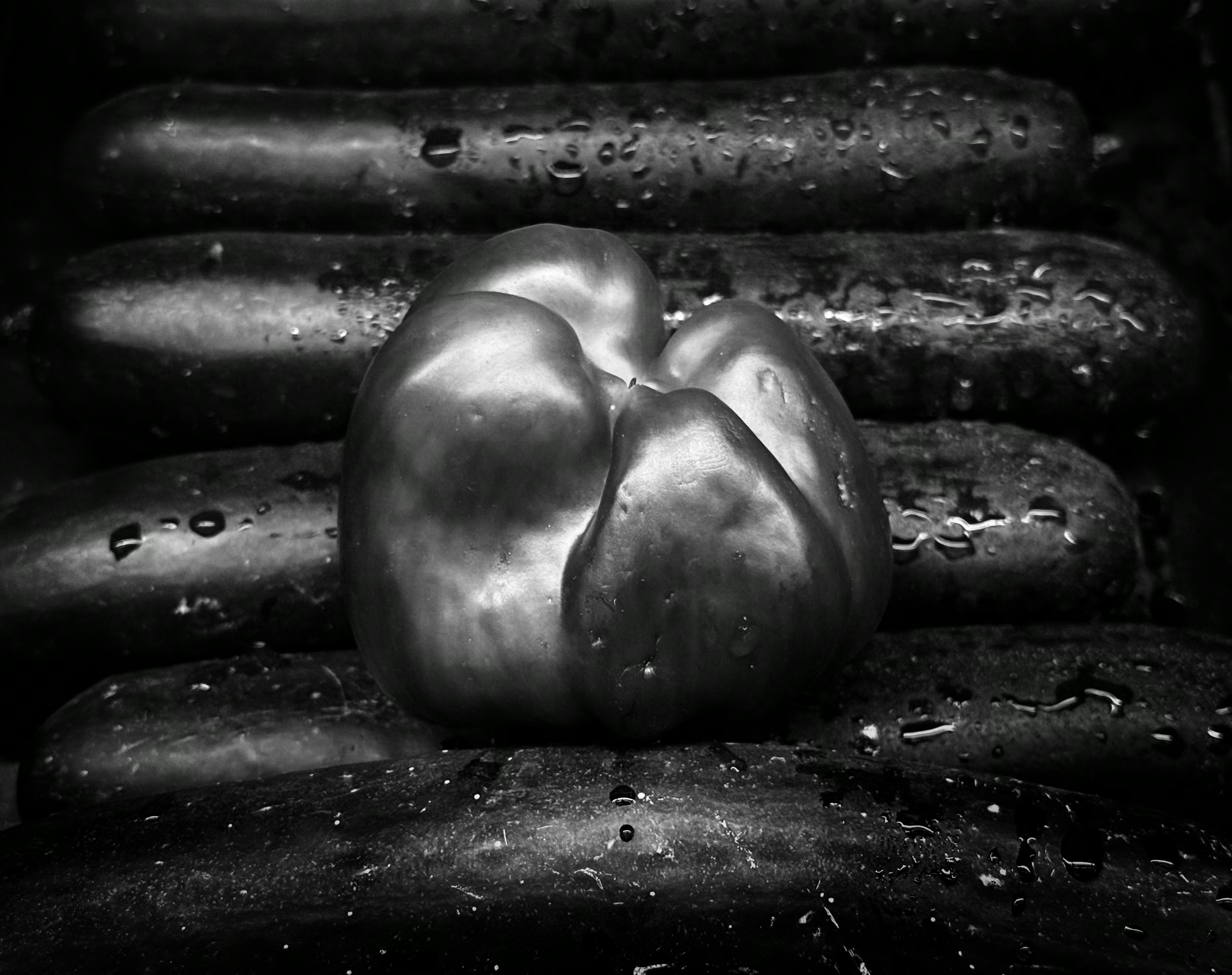
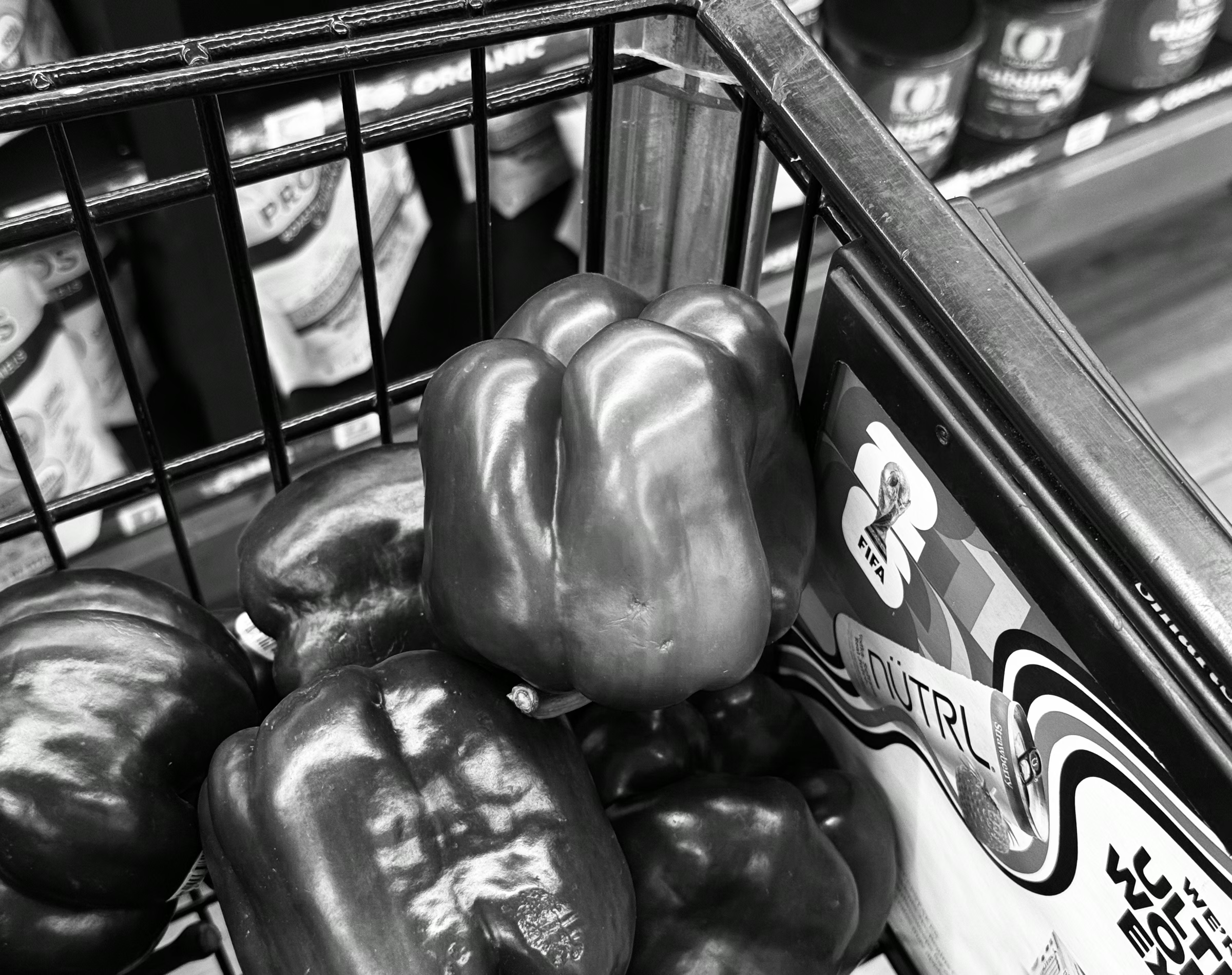
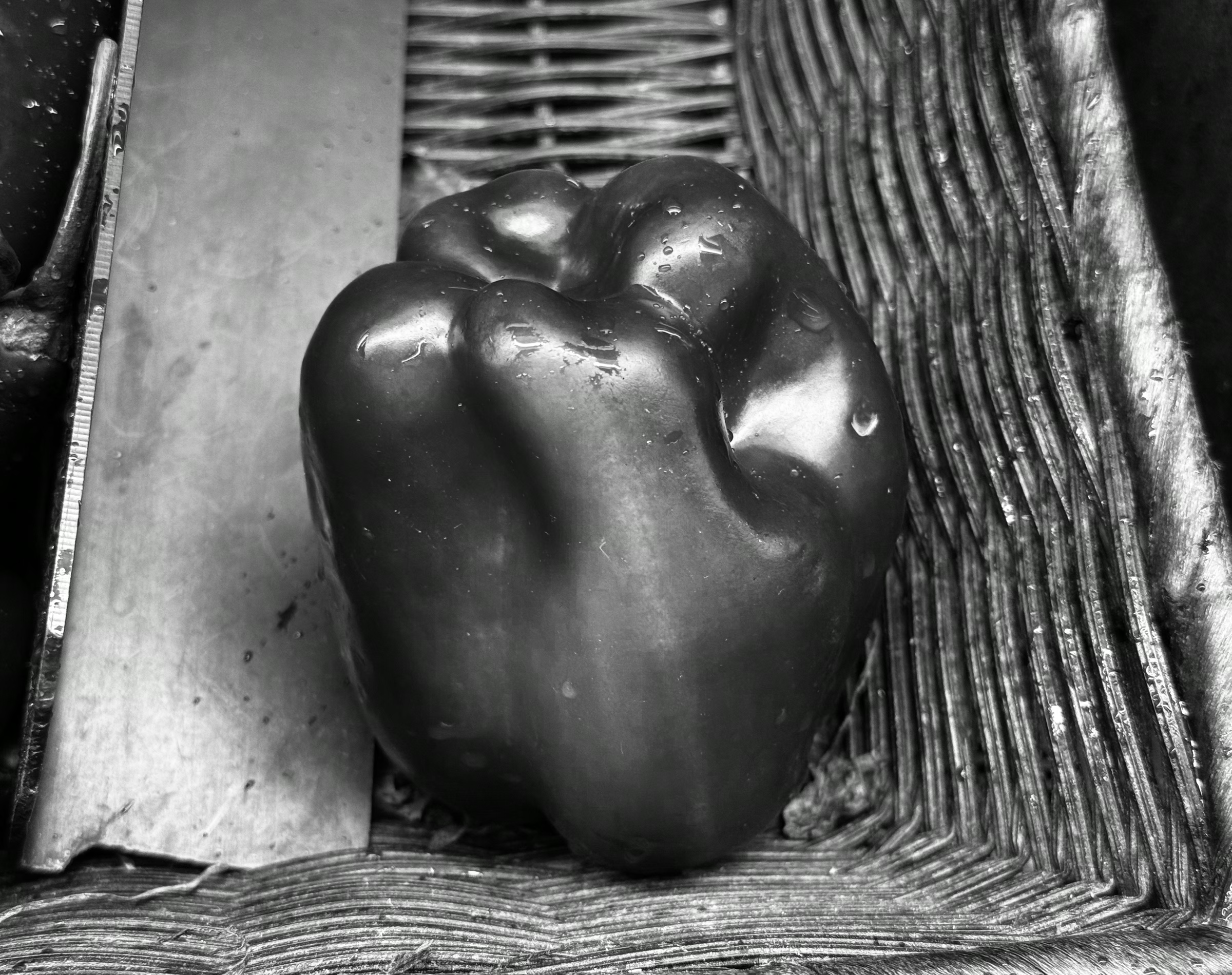
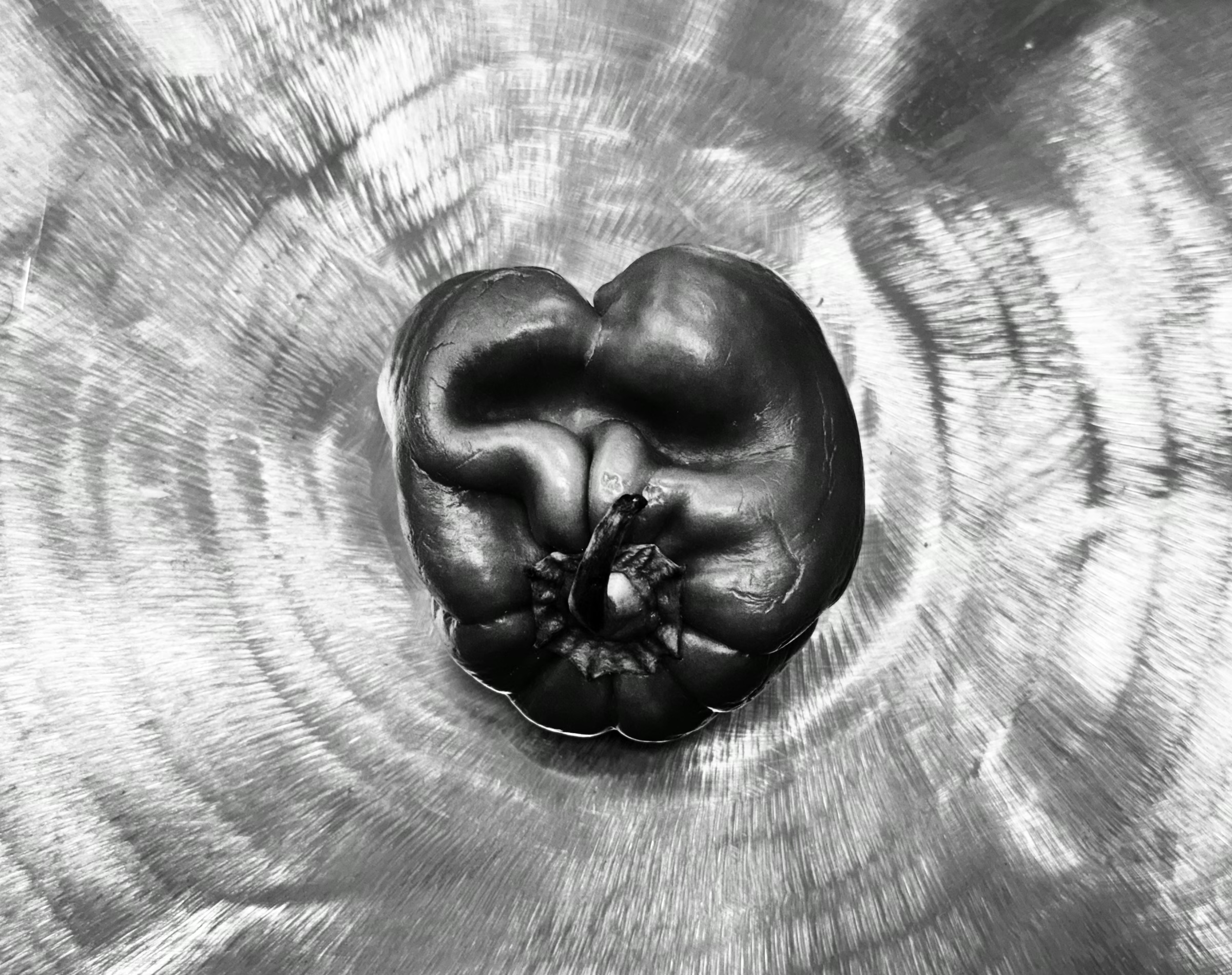
None of this was the reason that I started my 30 Peppers project, but it does lay the background for the pleasure I felt in making the images, to be making images again, driving day after day through the deserts of the American Southwest, from grocery store to market, from Walmarts to small organic produce stores. I would walk in, ignore any employees that happened to be near, and take apart their green pepper display, examining every pepper, holding them up, rotating them, putting my selections off to one side and stacking the rest as neatly as I could back into the bin. I cradle my peppers in my arms and walk around the produce section, setting up shots.
I was on the road, traveling from town to town, from pepper to pepper, and I was making photographs again, alive once again.